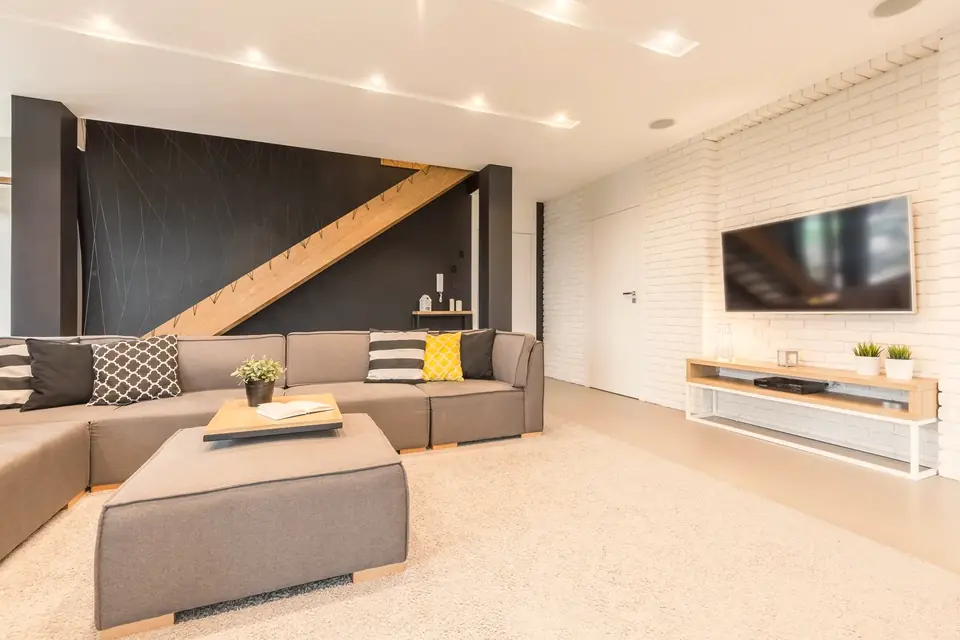
Living and family rooms
Metallic or satin solid floors that work with area rugs and modern furniture. Gloss level is chosen with your lighting in mind, since high gloss shows every reflection.
Tell us about your floor
A few details are enough to start. We'll follow up to talk through the slab, the system options and a time to see the space.
A seamless coated concrete floor can be the quiet backdrop of a modern home or the feature everyone notices. Either way, interior work asks for more care than a garage: cleaner edges, lower odor, and a finish that looks right in daylight and at night.
Many Phoenix homes already sit on a concrete slab, usually hidden under carpet, tile or laminate. When that covering wears out, some owners discover they would rather keep the concrete and finish it. A resinous coating turns the slab itself into the finished floor: no grout lines, no seams for dust to collect in, and a surface that wipes clean after a windy afternoon leaves grit by the patio door.
The appeal is partly practical. Coated floors hold up to pets, kids, dropped dishes and rolling chairs, and they do not trap allergens the way carpet can. They also stay cooler underfoot than you might expect, since the slab is in contact with the ground. But a lot of the interest is visual. Seamless floors suit the open plans, high ceilings and big sliding doors common in newer Valley construction, and they pair well with desert palettes: warm grays, sand tones, soft whites and bronze metallic finishes.
Interior floors are also where we spend the most time on detail. Edges along baseboards, transitions into existing tile or wood, door clearances and stair noses all need to be planned before the first pass of the grinder.
Each room puts different demands on a floor. These are the spaces we are asked about most often.
Metallic or satin solid floors that work with area rugs and modern furniture. Gloss level is chosen with your lighting in mind, since high gloss shows every reflection.
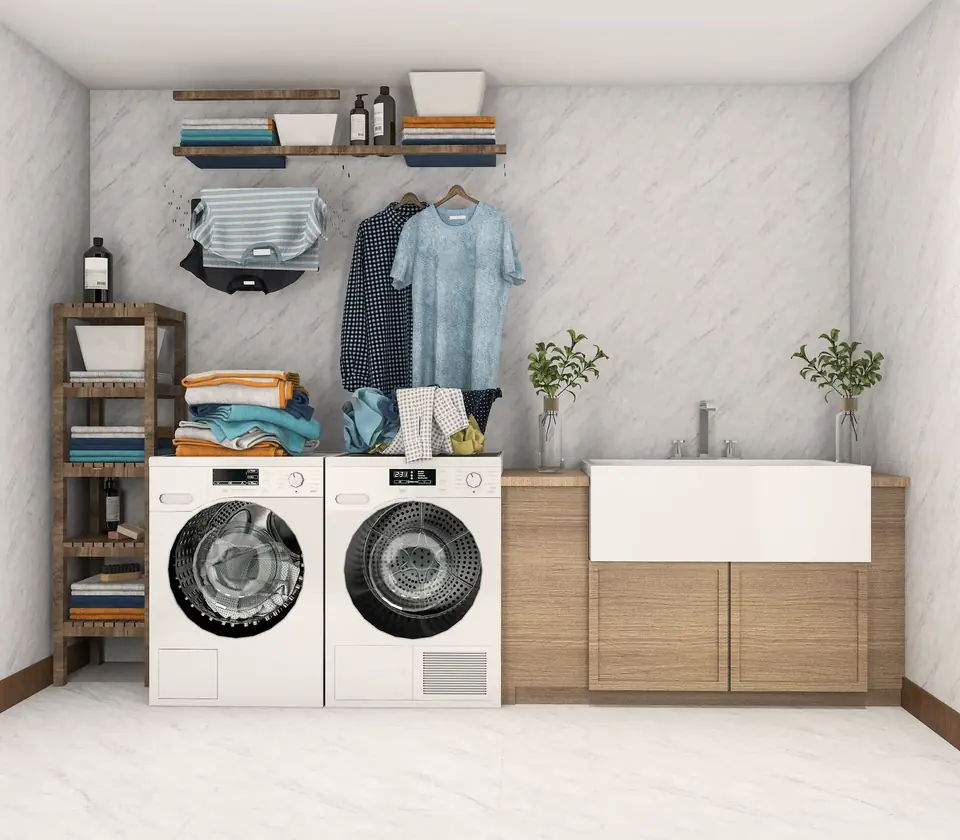
A sealed floor handles leaks, detergent spills and the occasional overflow. We can coat a short cove up the wall to contain water.
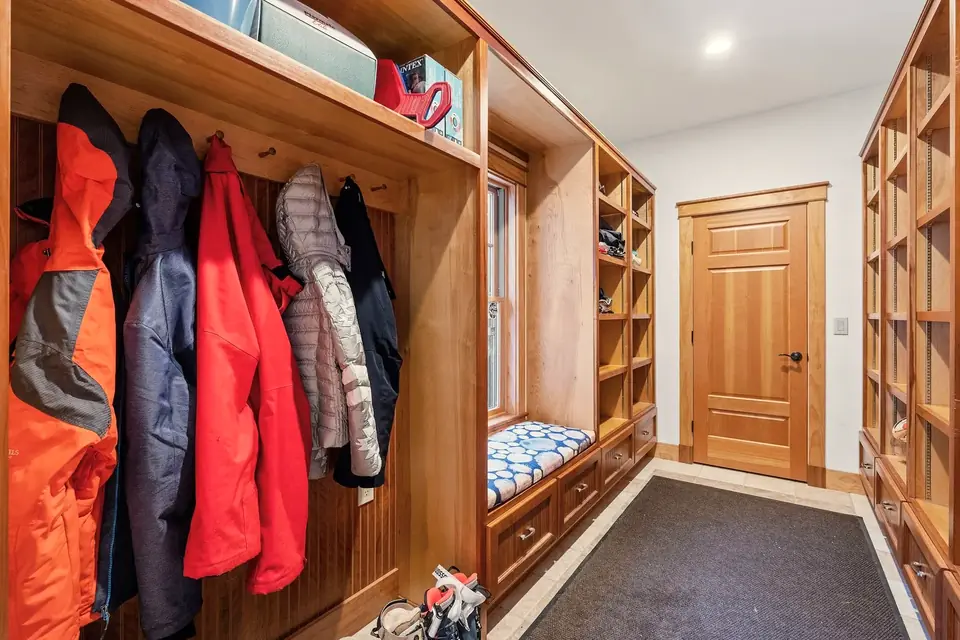
Where yard dust and pool water come into the house. Fine flake or a matte solid hides footprints between cleanings.
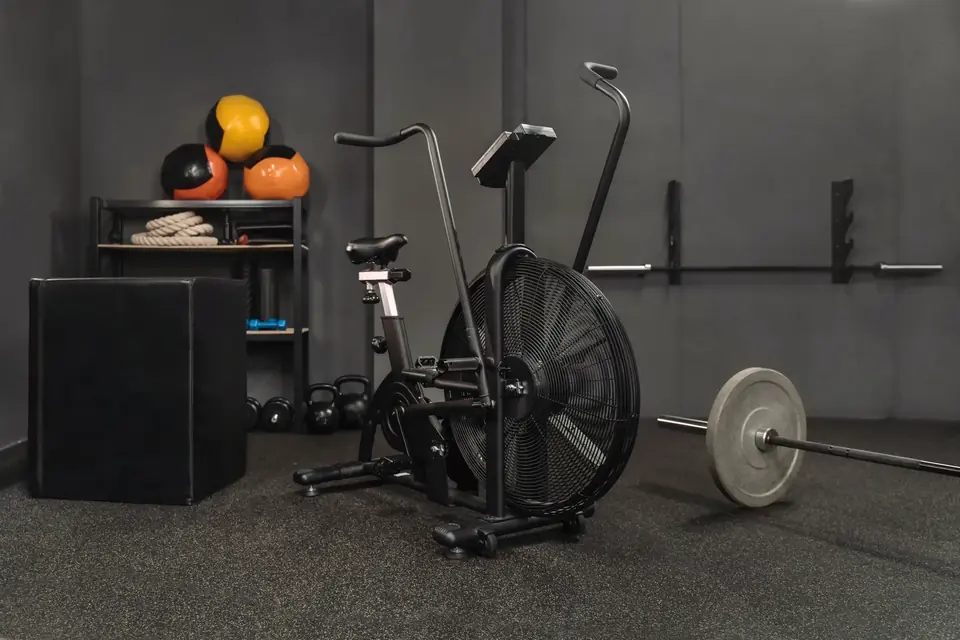
Coatings handle sweat and cleaning sprays; heavy free-weight zones still benefit from rubber mats on top to protect the floor and the slab.
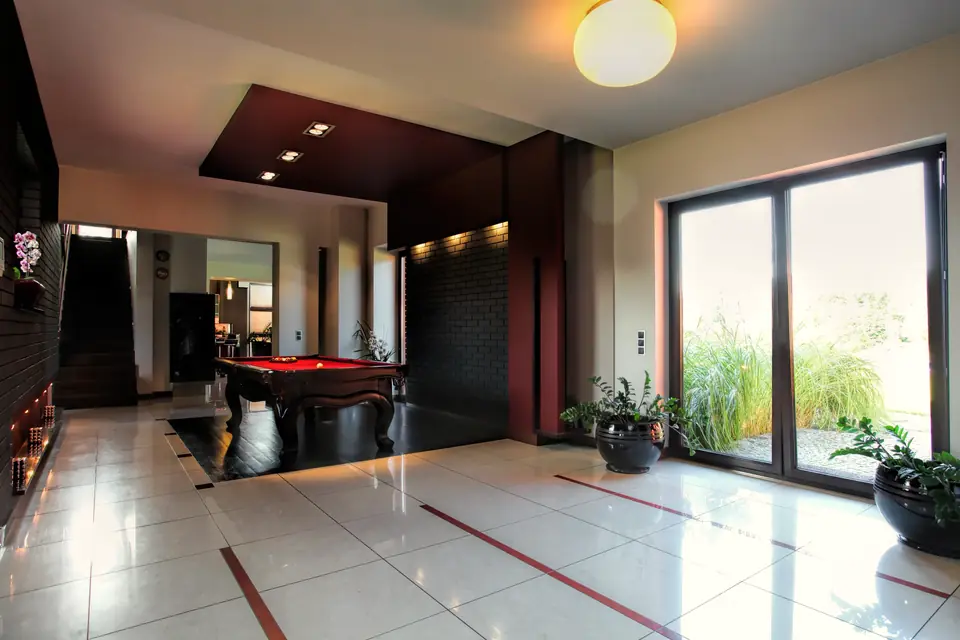
Guest houses and entertainment rooms often get the more decorative finishes, since they are spaces built for showing off.

When a garage becomes a studio, office or workshop, the floor is usually the first upgrade. Prep handles old oil and paint stains first.
The same slab can look completely different depending on the system. These are the finishes that tend to suit interiors.
| Finish | Look | Good to know |
|---|---|---|
| Satin solid color | Clean, calm, architectural | Hides fewer imperfections in the slab than flake. Satin sheen is easier to live with than high gloss. |
| Metallic epoxy | Movement, depth, one of a kind | Needs a very flat slab. Darker metallic colors show dust and fine scratches more than lighter ones. |
| Fine flake | Speckled, terrazzo-adjacent | Small chip size reads more refined indoors than the larger garage chip. Very forgiving day to day. |
| Quartz broadcast | Subtle texture and color blend | Durable and slip-resistant; more common in mudrooms, laundry rooms and light commercial use. |
| Clear coat over ground concrete | Natural concrete character | Shows the slab as it is, including patches and old marks. Best on slabs in good condition. |
We bring physical samples to the estimate. Colors and sheen shift under different light, so it helps to see them on your own floor near your own windows.
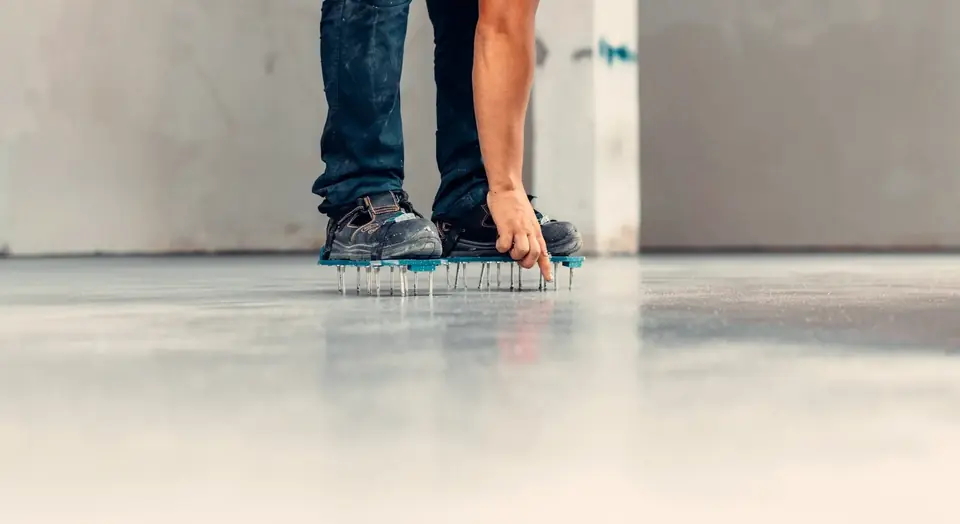
Interior projects run on a slightly different rhythm than garages. Furniture has to be cleared, and the space needs to stay closed off while each coat cures. Dust control matters more, so grinding is done with shrouded equipment connected to a HEPA vacuum, and edges are finished with smaller hand grinders.
Odor is the other question we hear most. The 100% solids epoxies used for most body coats are very low odor; some primers and topcoats are not. For lived-in homes we choose low-odor products where the system allows, ventilate during application, and give you honest timing on when the space will be comfortable again.
Baseboards are often removed and reinstalled after coating so the floor runs cleanly underneath. Where a coated floor meets tile, wood or carpet, we plan a transition strip or a clean saw-cut edge before work starts.
Interior slabs in the Valley come with their own history. A few of them affect what we recommend.
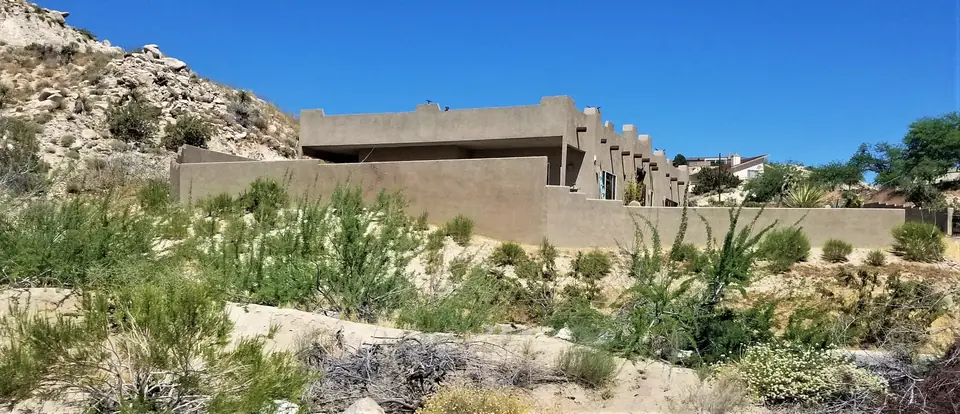
Many homes were tiled wall to wall. Removing tile leaves thinset ridges that must be ground flat; on metallic floors, any remaining ridges will show through.
Older homes sometimes lack a vapor barrier under the slab. We test before coating, and use a moisture-tolerant primer when readings call for it.
Afternoon sun through west-facing sliders can slowly amber standard epoxy. A UV-stable topcoat keeps the floor even in color from wall to window.
Slabs warm and cool through the day. Control joints and active cracks get treatment that allows movement rather than locking it in.
Desert landscaping means fine grit near every exterior door. Sheen level and color choice affect how often a floor looks like it needs cleaning.
We look at the slab, talk through how the room is used and leave samples to view in your light.
Old flooring is removed if needed, walls and cabinets are masked, and the room is sealed off from the rest of the house.
Thinset, adhesive and high spots are ground down. Low spots and cracks are filled and ground flush.
Primer first, then color or metallic layers. Metallic floors get worked by hand while they level.
A wear-resistant clear coat in the sheen you chose, with UV stability near windows and doors.
We confirm when socks, shoes, furniture and rugs can return, and recommend felt pads for chairs.
Buyers in the Valley tend to respond well to finished garages and clean, modern interior floors, but tastes vary. If you may sell in the next few years, neutral flake blends and quieter metallic colors broaden the appeal. If you plan to stay, choose the floor you will enjoy every day.
It feels similar to tile: firm and cool, which many Phoenix homeowners appreciate in summer. Area rugs soften living spaces and help with acoustics in rooms with high ceilings.
We generally do not recommend it. Grout lines tend to telegraph through, and the bond is only as good as the tile adhesive beneath. Removing the tile and grinding the slab gives a far more reliable floor.
Once cured, coatings are inert and easy to keep clean, which is why many pet owners like them. Smooth high-gloss floors can be slippery for older dogs, so we often suggest a satin finish or a fine texture additive in rooms where pets run.
Any floor can scratch. Grit under shoes and furniture is the main culprit. A hard topcoat, felt pads on furniture and regular dust-mopping keep fine scratches to a minimum. Lighter colors and lower sheen hide wear better than glossy dark finishes.
Usually, yes. The work area is sealed off and products are chosen with occupied homes in mind. Some families prefer to be away on primer and topcoat days. We will tell you which days are the heaviest so you can decide.
We plan each transition before work begins. Options include a clean saw-cut edge, a low-profile metal or wood transition strip, or running the coating under doors to a natural break point. Door clearance is checked so nothing rubs once the floor is finished.
Yes. Casitas and guest houses are popular for decorative finishes, and the same assessment, preparation and system choices apply as in the main house. Many owners match the flake blend or metallic color to the main home.
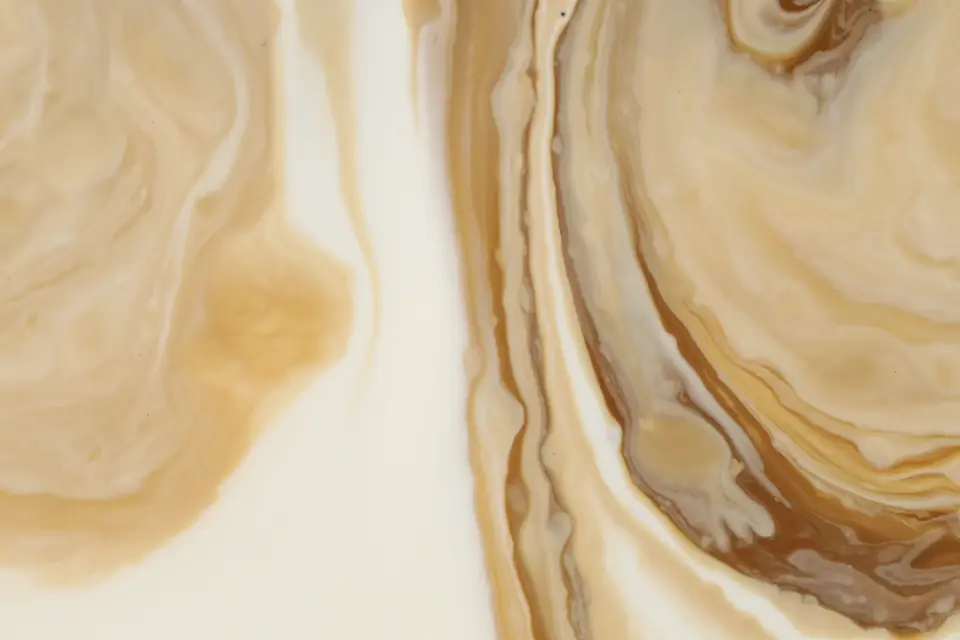
Hand-worked metallic floors in bronzes, pearls and charcoals.
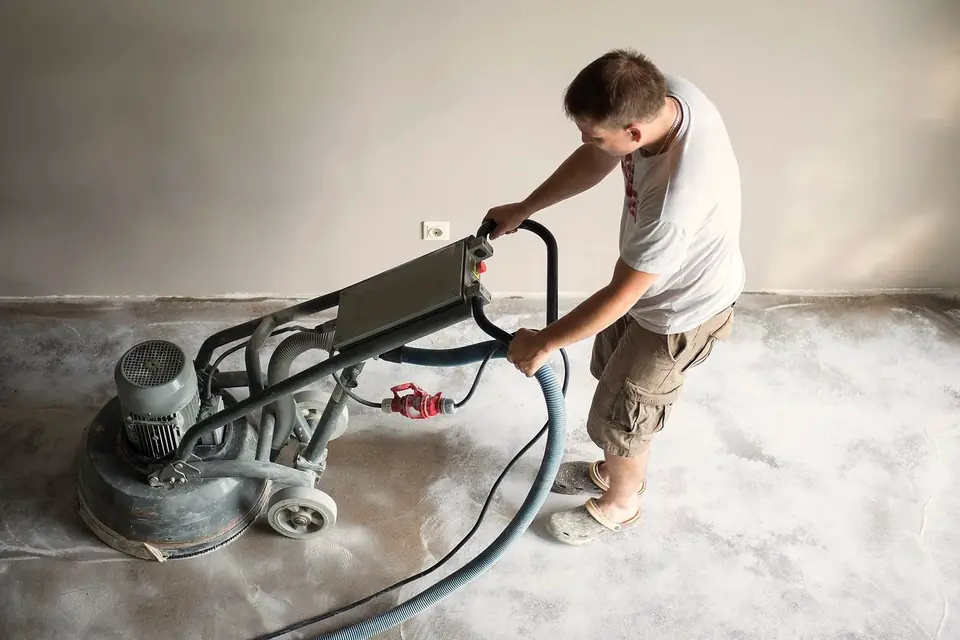
Diamond grinding, coating removal, crack and joint repair, moisture testing.
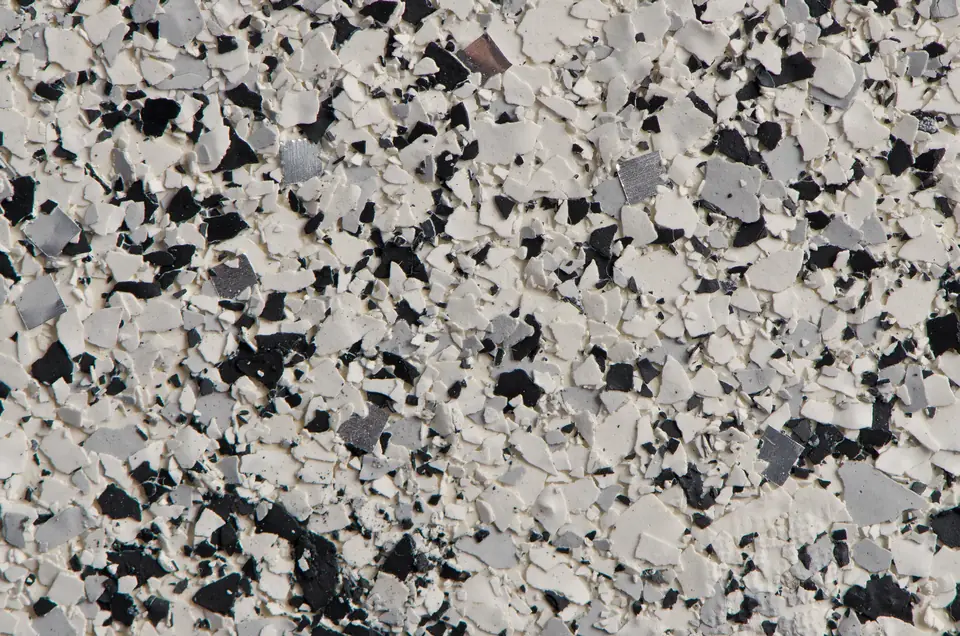
Full-broadcast chip floors with custom blends and adjustable texture.
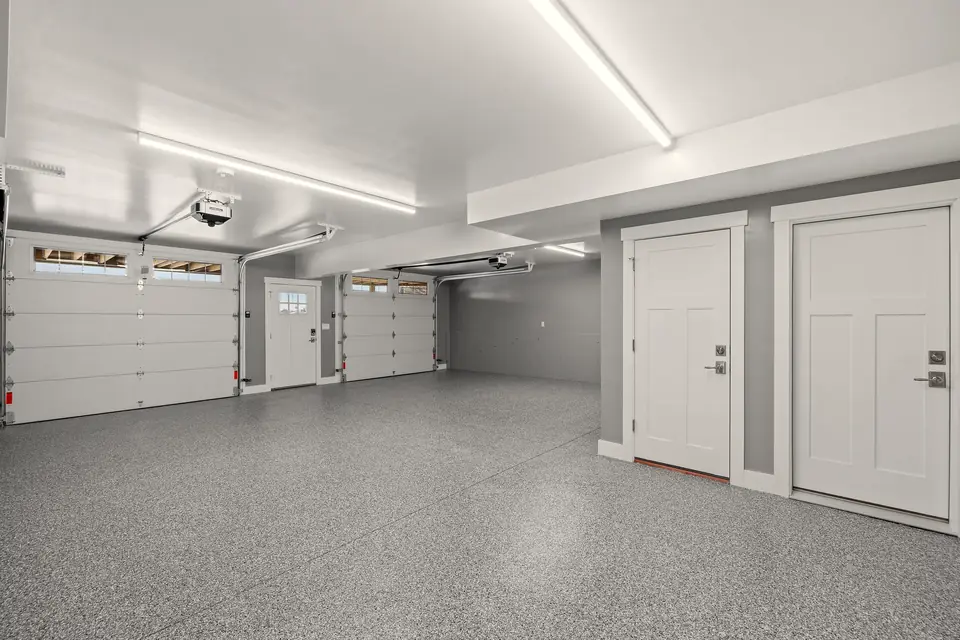
Full-flake, solid and metallic garage floors with hot-tire resistant topcoats.
Tell us which rooms you are thinking about and what is on the slab now. We will bring samples and talk through the finish that fits the space.
Prefer to talk? Call (XXX) XXX-XXXX