Polyaspartic floor coatings: fast cure, built for sunlight
Polyaspartic coatings cure in hours, hold their color in direct sun and handle the temperature swings of an Arizona garage. They are the reason many of our garage floors are finished in a single day.
- Strengths
- UV stability, fast cure, abrasion and stain resistance
- Common uses
- Garage topcoats, one-day systems, patios, retail floors
- Return to use
- Foot traffic in hours; vehicles typically in a day or two
What polyaspartic is, in plain terms
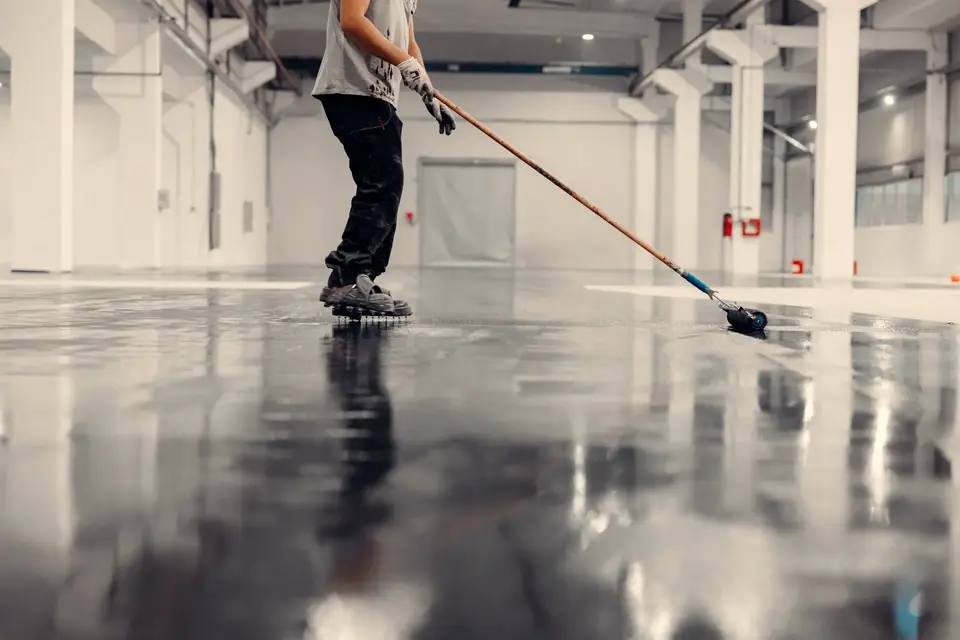
Polyaspartic is a type of aliphatic polyurea. Like epoxy, it is a two-part coating that cures through a chemical reaction. Unlike epoxy, it reacts quickly, often becoming tack-free in well under an hour, and its aliphatic chemistry does not yellow when exposed to ultraviolet light.
Those two traits make it particularly useful in Phoenix. Garage floors near the door, patios and any floor that gets direct sunlight benefit from a coating that will not amber. And because it cures so quickly, an entire system of base coat, flake and topcoat can be installed in a single working day on many residential garages.
Polyaspartic can be used for an entire system or just as the topcoat over an epoxy base. Both approaches are common. The right one depends on the slab, the budget and how quickly you need the space back.
Polyaspartic compared with epoxy and urethane
A practical comparison of the three chemistries most often used in residential and light commercial floors.
| Polyaspartic | Epoxy (100% solids) | Polyurethane | |
|---|---|---|---|
| UV stability | Excellent, non-yellowing | Poor; ambers in sunlight | Good (aliphatic types) |
| Cure speed | Very fast, hours | Slow, often overnight between coats | Moderate |
| Working time in heat | Short; needs experienced crew | Moderate | Moderate |
| Film build per coat | Moderate | High | Thin |
| Abrasion resistance | High | Good | Very high |
| Typical role | Topcoat or full one-day system | Primer, base and body coats | Topcoat over epoxy |
Product performance varies by manufacturer and formulation. We select specific products for each floor rather than treating any chemistry as one-size-fits-all.
Inside a one-day polyaspartic system
Use the tabs to compare a one-day polyaspartic system with flake and metallic builds. Prep is identical across all three; the chemistry and cure time are what change.
Faster cure and better UV stability than standard epoxy. Usually walkable the same evening.
- Polyaspartic clear coat
UV-stable and non-yellowing. Cures in hours instead of days.
- Flake or solid color
Same decorative options as an epoxy system.
- Polyaspartic or polyurea base
Applied in smaller batches because it sets quickly, especially in summer heat.
- Ground concrete
Prep is identical. Fast chemistry never makes up for skipped grinding.
The most requested garage system in the Valley. Texture hides dust and gives tires something to grip.
- Clear topcoat
Polyaspartic or polyurethane. Takes the UV, the scuffs and the chemicals.
- Vinyl flake broadcast
Thrown to refusal, then scraped and vacuumed so only locked-in chips remain.
- Pigmented base coat
Epoxy or polyaspartic that the flake falls into while it is still wet.
- Penetrating primer
Soaks into the ground profile and becomes part of the slab surface.
- Ground concrete (CSP 2–3)
Diamond-ground to open the pores. Cracks and spalls filled before anything goes down.
A thicker, self-leveling build. More prep time and more cure time, and the result is one of a kind.
- High-gloss or satin topcoat
Protects the metallic layer from abrasion and UV yellowing.
- Metallic epoxy body coat
100% solids epoxy with metallic pigment, worked by hand while it levels.
- Tinted epoxy ground coat
Sets the background color the metallic movement shows against.
- Primer and crack treatment
Moisture-tolerant primer; cracks routed and filled flush.
- Ground concrete
Flat matters more here than anywhere: high spots telegraph through a metallic floor.
Fast chemistry needs a careful crew
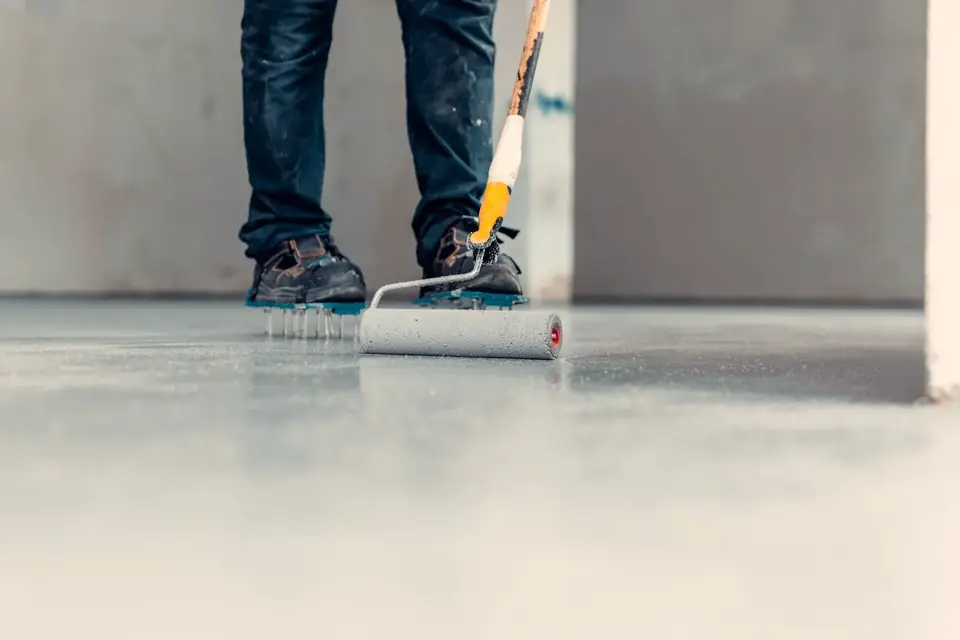
The speed that makes polyaspartic attractive also makes it unforgiving. Once mixed, it has a short pot life, and that window shrinks further on a hot day. Material that sits too long in the bucket or is spread too thin will not level or bond properly.
In summer we mix small batches, keep material shaded and work early in the day. Coating is applied in planned sections so each area is completed before the material begins to set. Slab temperature is checked with an infrared thermometer as the sun moves across the garage door.
Fast cure is never a substitute for preparation. A one-day system still starts with full diamond grinding and crack repair, and if moisture testing says a slab needs a mitigating primer, the schedule adjusts. We would rather add a day than install a floor that fails.
- Small batches and shaded material in summer
- Planned sections sized to pot life
- Slab temperature checked through the day
- No shortcuts on grinding or moisture testing
Where polyaspartic makes the most sense
- Garages with sun at the door
West-facing garages and anyone who works with the door open benefit most from a non-yellowing topcoat.
- Tight schedules
Move-in dates, rental turnovers and households that cannot be without a garage for several days.
- Patios and covered outdoor areas
Outdoor slabs need UV stability, and polyaspartic flake systems with texture are a common choice.
- Retail and service spaces
Businesses that need a floor back in service overnight or over a weekend.
- Cooler-season projects
Polyaspartic continues to cure at lower temperatures where some epoxies slow down considerably.
What a one-day garage looks like
Times are approximate and depend on garage size, slab condition and the weather on the day.
Early morning: prep
Garage emptied and masked; diamond grinding, crack repair and thorough vacuuming.
Late morning: base coat
Pigmented polyaspartic base applied in sections while the slab is still cool.
Midday: flake broadcast
Chips broadcast to full coverage into each wet section.
Afternoon: scrape and topcoat
Excess flake removed and the clear topcoat applied, with texture if chosen.
Evening: walkable
Light foot traffic is usually possible later the same day.
Next day or two: vehicles
Parking typically resumes after about a day or two, depending on product and temperature.
About "one-day floors"
One-day installs are real, but they depend on the slab cooperating. Heavy oil contamination, high moisture readings, old coatings that need removal, or extensive cracking can add time. We confirm the schedule after seeing the floor rather than promising a single day sight unseen.
Refreshing a yellowed epoxy garage with polyaspartic
One of the most common calls we get is from homeowners whose epoxy garage floor has turned amber near the door or gone dull in the walking paths. If the original floor is still well bonded, it does not always need to be removed. The surface can be cleaned, degreased and mechanically abraded, any damaged spots repaired, and a fresh polyaspartic topcoat applied over it.
The new layer stops further yellowing where sunlight hits, restores gloss and adds a tougher wear surface. Owners who want a change of look can also add a new flake broadcast before the topcoat. This kind of refresh is quicker and less costly than a full tear-out and rebuild.
There are limits. If the old floor is peeling, bubbling or lifting at the tire lines, the problem is adhesion, and recoating will only trap it under a new layer. In that case the old coating has to come off, and we start again with proper grinding. We will test adhesion during the estimate to see which situation you are in.
Questions we hear about polyaspartic floor coatings
Is polyaspartic better than epoxy?
It is better at some things, mainly UV stability and cure speed. Epoxy builds thickness well and bonds strongly, which is why it is still common for primers and base coats. Many of the best floors use both, each where it performs best.
Can I drive on a polyaspartic floor the next day?
Often within about a day or two, depending on the product, the thickness and the temperature. We give you a specific time at the walkthrough and recommend waiting a little longer before hot-tire traffic on very hot days.
Does polyaspartic have a strong smell?
Some polyaspartic products have a noticeable solvent odor during application that fades within hours. Garages are ventilated by opening the door. For attached garages we keep the door into the house closed during application.
Can polyaspartic go over my existing epoxy floor?
If the existing floor is well bonded, it can usually be sanded or ground and recoated with a polyaspartic topcoat, which is a common way to refresh a yellowed epoxy garage. Peeling floors need to be removed first.
Is polyaspartic the same as polyurea?
Polyaspartic is a member of the polyurea family, modified to slow the reaction enough to be hand-applied. Traditional pure polyurea sets in seconds and is usually spray-applied. See our polyurea page for how the two differ in practice.
Does polyaspartic work in very hot weather?
Yes, but the crew has to manage it. Heat shortens the working time considerably, so summer installs start early, batches are kept small and slab temperature is checked throughout the day.
Related services
Polyurea Floor Coatings
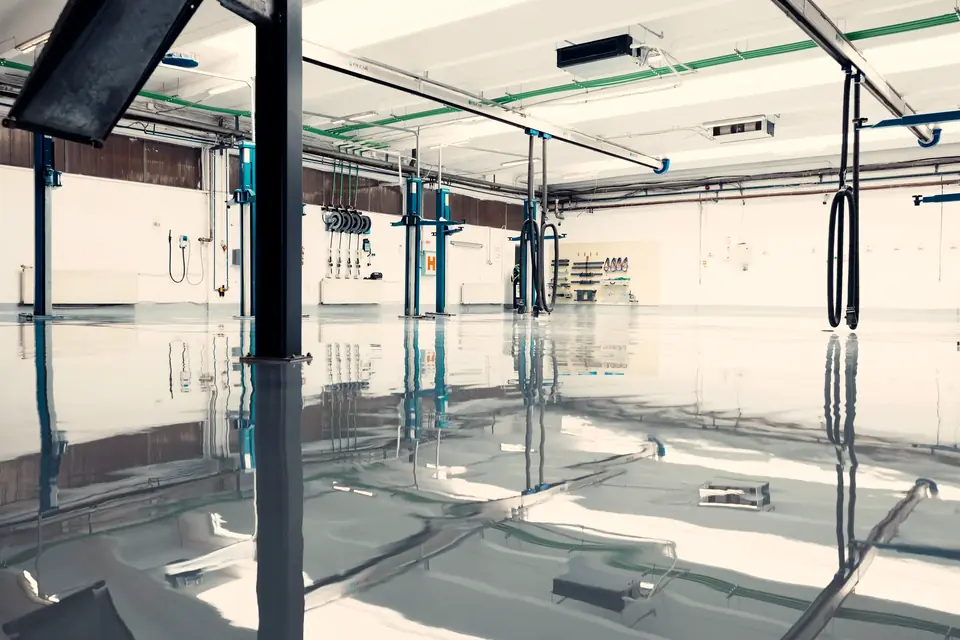
Flexible, fast-setting polyurea base coats, joint fill and hybrid systems.
Garage Epoxy Flooring
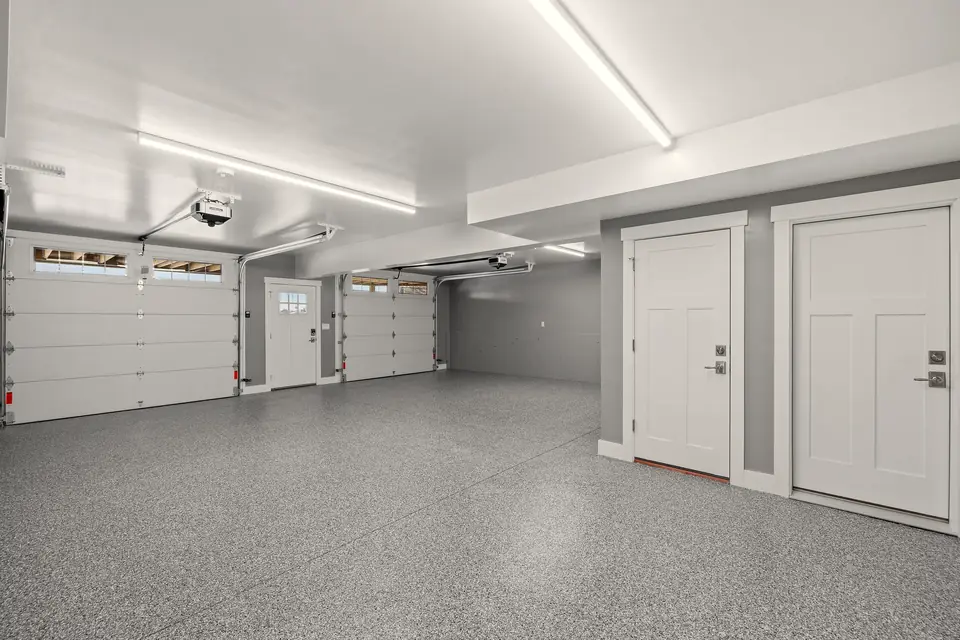
Full-flake, solid and metallic garage floors with hot-tire resistant topcoats.
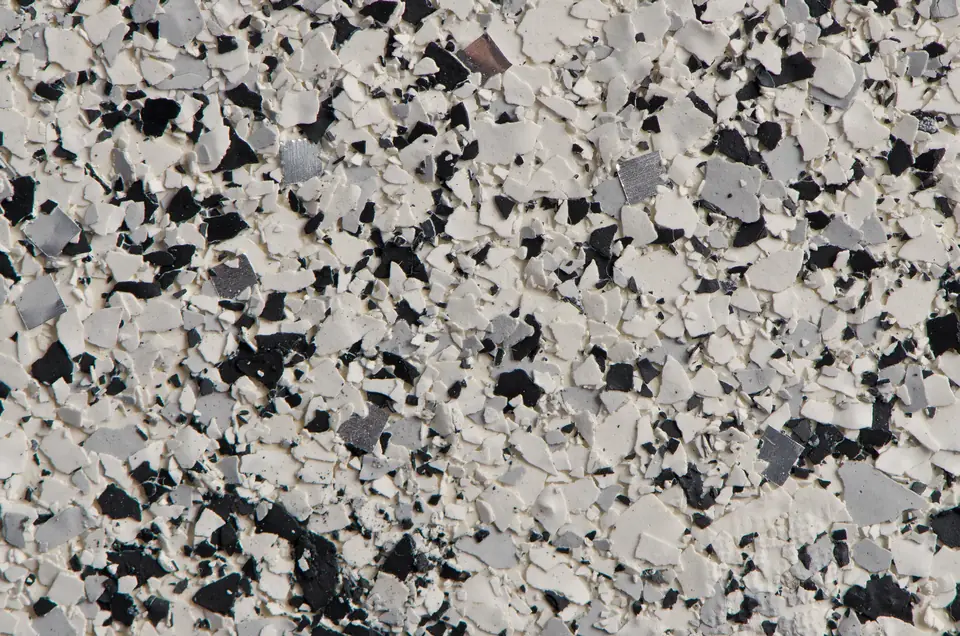
Decorative Flake Flooring
Full-broadcast chip floors with custom blends and adjustable texture.
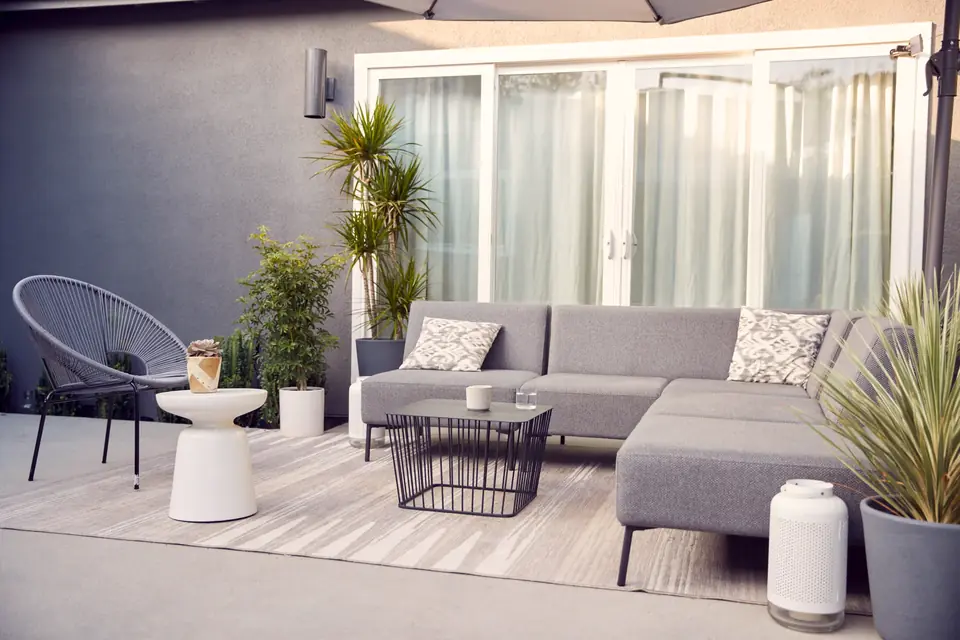
Patio & Concrete Coatings
UV-stable, textured coatings and sealers for patios and outdoor slabs.
Want your garage back by tomorrow?
Tell us about the garage and your timing. After a look at the slab, we will confirm whether a one-day polyaspartic system is realistic for your floor.
- On-site look at the slab before any price is final
- Written scope that spells out prep, system and coat count
- Straight answers on cure times and when you can drive on it
Prefer to talk? Call (XXX) XXX-XXXX